Loading page
Preparing your view
Loading page
Preparing your view
Loading region
Preparing your view
Urban gateway with food markets, pagodas, and easy domestic connections.
Climate identity
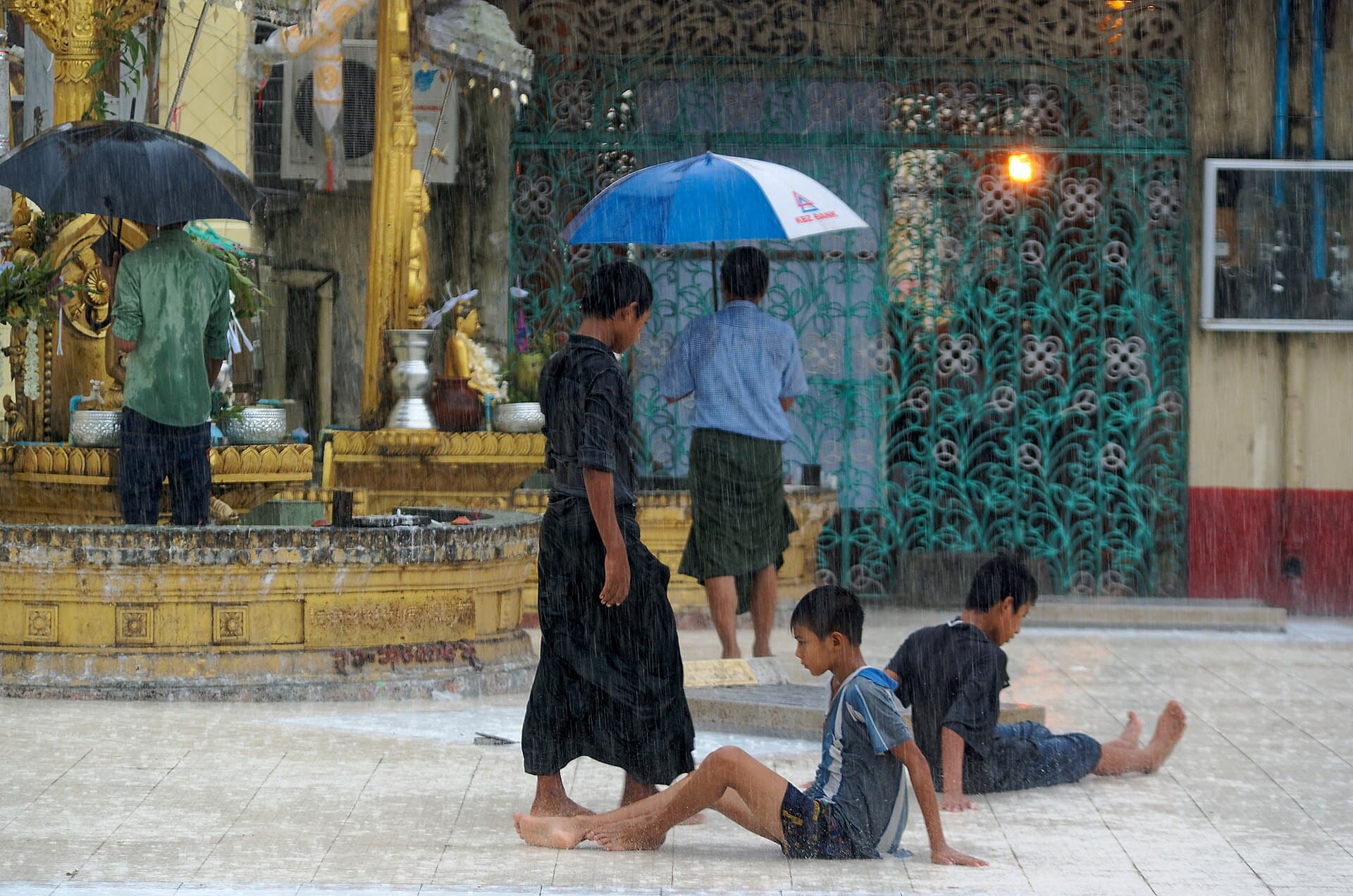
tropical city heat, monsoon rains, colonial streets
Top experiences
Best time to visit
1 curated destinations in this region
Photo gallery
Culture & Traditions
Yangon is Myanmar's largest city and its commercial capital — a place where colonial-era architecture, Buddhist pagodas, Chinese tea houses, and South Asian street food share the same block. The downtown grid, laid out by the British in the 19th century, contains the highest concentration of colonial buildings in Southeast Asia, many still in active daily use as offices, apartments, and shops. Walking these streets with a slow pace and an eye upward reveals a living architectural archive.
Shwedagon Pagoda, rising 98 metres above Singuttara Hill and gilded from base to spire, is the spiritual heart of Myanmar Buddhism and one of the most sacred sites in the Buddhist world. Tradition holds it is 2,500 years old — scholars date the current structure to the 14th century — but the site's importance transcends history. Pilgrims arrive at all hours; evening visits when the gold catches the last light are unforgettable.
Yangon's food culture rewards slow exploration. Mohinga — rice noodles in a fish-based broth, topped with fried onions, boiled egg, and banana stem — is eaten at dawn and is considered Myanmar's national dish. Street-side tea houses serve thick sweet tea alongside Indian-influenced samosas and fried bread. Night markets in Chinatown on 19th Street and the Thiri Mingala wet market at dawn show the city's hunger for good eating.
Best experiences
Best months
Destinations